How to Follow Global Events Without Panic in 2026
Global news is reported in the middle of events, which is the worst possible moment to understand them. Early reports are incomplete by nature, yet they arrive with the emotional force of certainty. Following the world without panic begins with accepting that the first version is almost always wrong in some way.
Key facts
- Breaking news is the least reliable stage of any story.
- One confirmed fact from a primary source is worth ten reactions.
- Maps, numbers and dates expose exaggeration quickly.
- Wait for attribution before repeating a claim.
- Understanding a region beats reacting to a headline.
The first hours are the least reliable
In the first hours of a major event, numbers are guesses, responsibility is unclear and even the location can be wrong. This is not a failure of journalism so much as a feature of reporting from a developing situation.
Treat early coverage as a first draft. Note what is claimed and by whom, then wait for the next version. The story will still be there, and it will be more accurate.

Read for attribution
A claim is only as strong as its source. "Officials said" is different from "a witness said" and both are different from an anonymous post. Learning to read attribution is the single most useful skill in following world events.
When a story does not say where a claim comes from, treat it as unverified regardless of how confident the writing sounds. Confidence is a style; attribution is evidence.
Treat early coverage as a first draft. The story will still be there, and it will be more accurate.
Use maps and numbers as a reality check
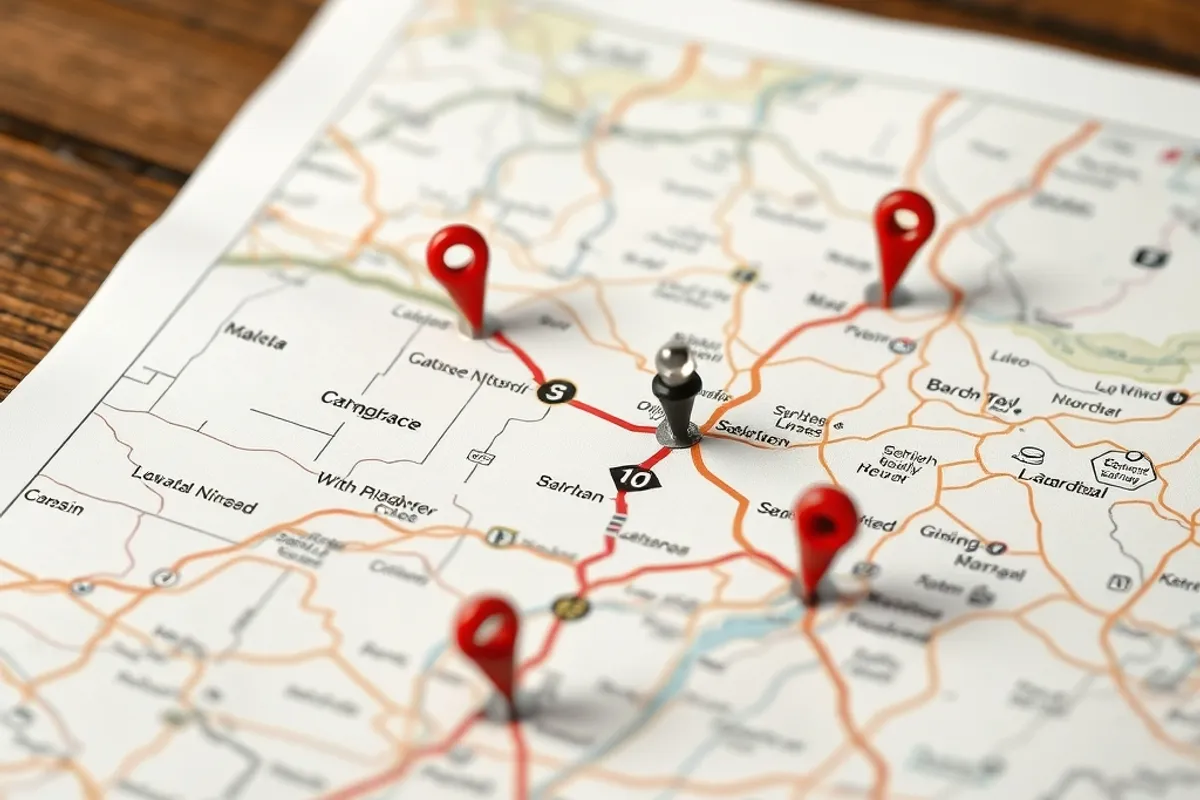
Many exaggerated claims collapse when placed on a map or compared with a number. Distances, populations and dates are easy to check and hard to fake. A quick look at a map prevents a great deal of unnecessary alarm.
Numbers deserve the same caution in the other direction. A dramatic percentage can describe a tiny base. Always ask "out of how many?" before reacting.
Understand the region, not just the event
An event without background is a riddle. A few minutes reading about a region's history, economy and alliances turns a confusing headline into a comprehensible development. This is slower and far more useful than refreshing the feed.
Background also protects you from manipulation. Bad actors rely on readers who have no context, because an isolated fact can be shaped to mean almost anything.
What to do with uncertainty
Say you do not know. It is a complete sentence and a sign of seriousness. In a fast news environment, the pressure to have an immediate take produces confident errors that spread faster than corrections.
If you share a story, share the source and a date. If it changes, share the correction. That behaviour is small, boring and one of the few things that genuinely improves a news environment.
A calm routine for world news
Check international news once or twice a day from a source with correspondents on the ground. Read the background summary before the latest update. When something major happens, give it a day before forming a firm view.
This is not passivity. It is the difference between reacting to the world and understanding it. For the broader reading habit, see our guide to news without burnout, and for the year in review, read what actually shaped 2026.

Frequently asked questions
Should I ignore breaking news entirely?
Not ignore, but discount it. Breaking coverage is useful for knowing something happened; it is rarely useful for understanding what it means.
How can I tell a reliable source?
Look for named correspondents, clear attribution, corrections and a record of updating stories. Reliability is a track record, not a tone.
What if I accidentally share something false?
Correct it publicly and link to better information. Prompt correction does more good than silence and is far better than defending a mistake.
Further reading from independent sources: Reuters and Associated Press.