Remote Work and Community in 2026: What Changed
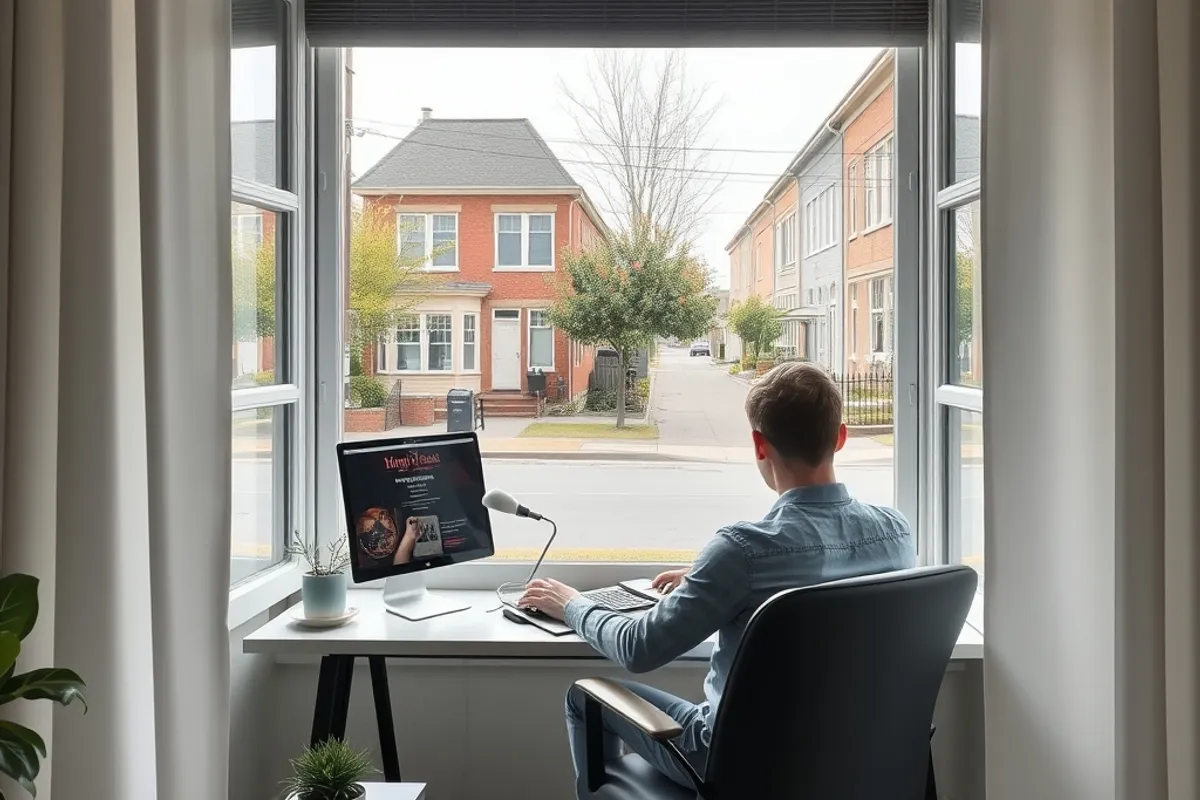
Remote work was sold as freedom from the office, and for many people it delivered exactly that. What it also did was move millions of daily social contacts out of the building and into a screen. Six years on, the effects on community are clearer, and they are neither the utopia nor the collapse that the loudest voices predicted.
Key facts
- Remote work redistributed people toward smaller towns and suburbs.
- Commute time saved did not automatically become community time.
- Weak ties at work thinned, and local weak ties have not replaced them.
- Neighbourhood groups grew where people stayed put during the day.
- Hybrid schedules produced the most stable social outcomes.
Where people went
The most visible change was geographic. People with remote-capable jobs moved outward: smaller cities, suburbs, and towns within reach of a major hub. Housing costs drove much of it, and so did the simple desire for space.
The social result was a redistribution of populations without a matching redistribution of institutions. Newcomers arrived in places that were not built for a sudden influx of daytime residents, and local services felt the pressure before local social life adapted.
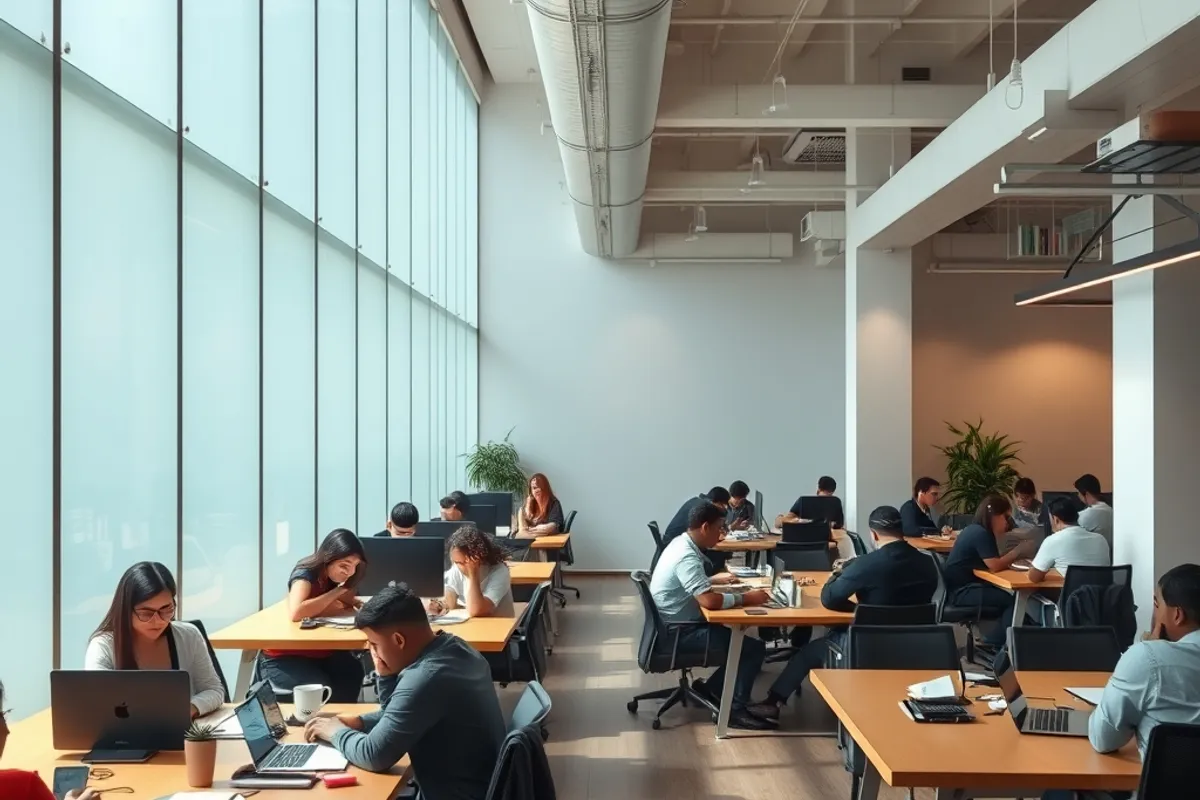
The commute time did not become community time
A popular prediction was that saved commuting hours would flow into local life. Mostly they did not. The time was absorbed by work, care and the ordinary friction of running a household. Freed hours are rarely free.
This is not a failure of individuals. It is a reminder that community participation needs structure: a reason to show up, a time that fits, and a place to go. Time alone is not enough.
Community forms where the same people meet the same people, often and without effort.
Weak ties thinned
Offices produced something easy to undervalue: weak ties. The acquaintance in another team, the person you nod to in the lift, the casual conversation that later becomes an opportunity. Remote work preserved strong relationships and quietly removed the weak ones.
Those weak ties also provided a low-stakes social layer that many people did not know they relied on. Their absence shows up as a vague sense of isolation rather than a specific complaint.
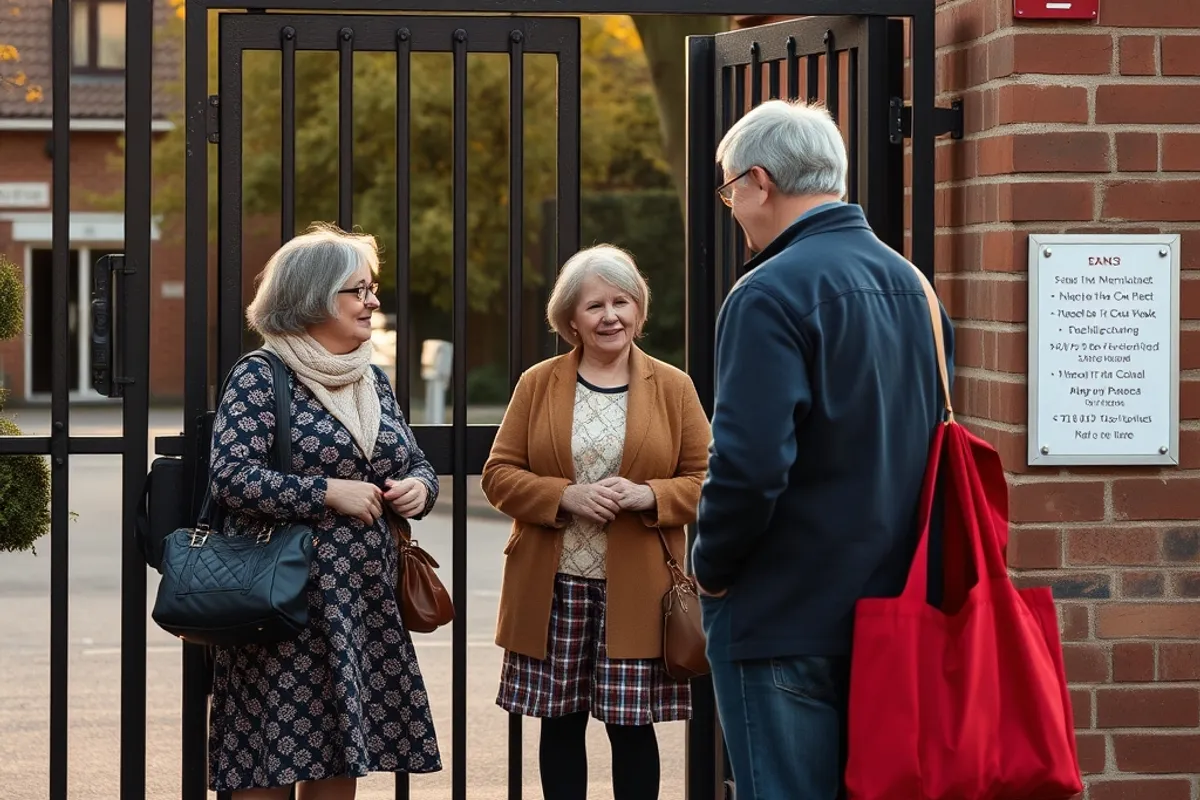
Neighbourhood life adapted unevenly
In places where remote workers stayed home during the day, some local life revived. Cafes filled on weekday mornings, parents met at school gates, and informal networks formed around shared routines. In other places, people stayed inside and the street remained empty.
The difference came down to repeated contact. Community forms where the same people meet the same people, often and without effort. Remote work can support that, but only when people choose routines that put them in the same place.
Hybrid found the middle
The most stable social outcomes came from hybrid arrangements, not full remote. A few days in a shared space preserved weak ties and team identity, while the rest of the week allowed flexibility and focus.
Hybrid is not a compromise for its own sake. It distributes the benefits of both models: the serendipity of presence and the autonomy of distance. Its weakness is coordination, which is why organisations that set clear shared days do better than those that leave it random.
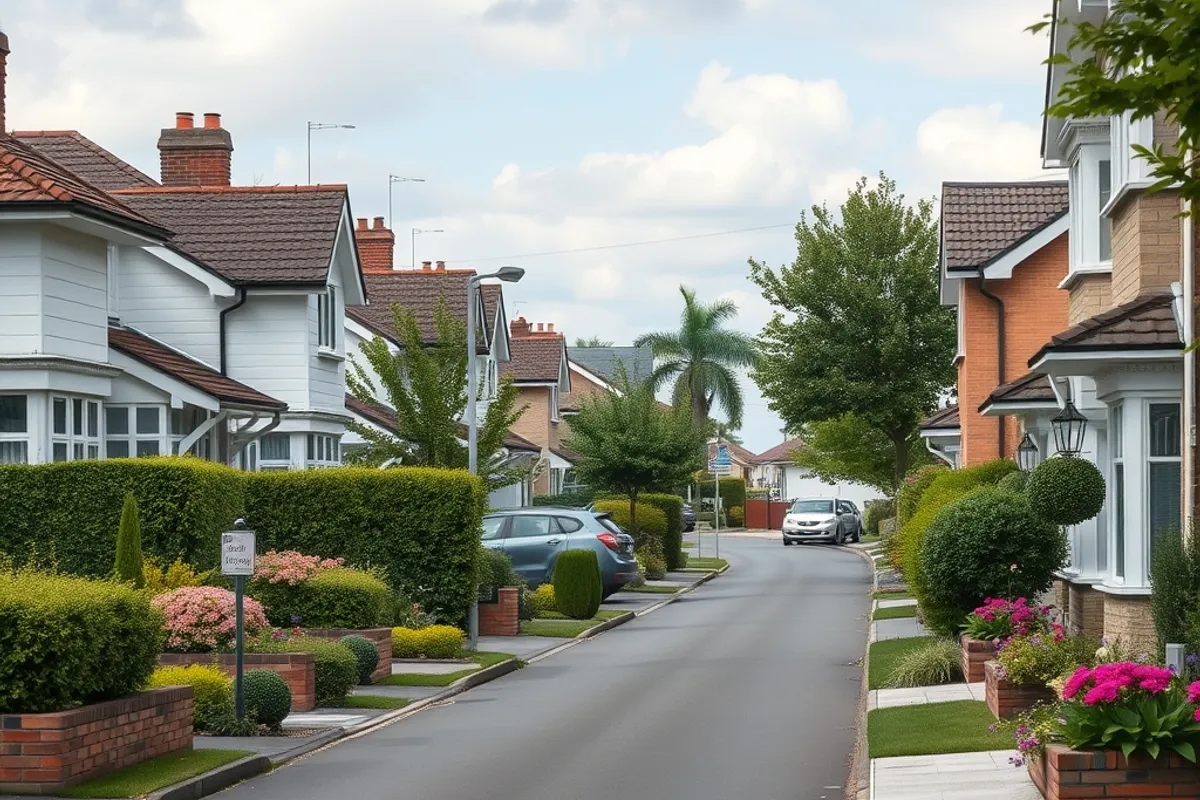
What would make remote work more social
Three things help. Local coworking or meeting spaces that give daytime residents somewhere to go. Employers who fund in-person gathering rather than assuming it will happen. And personal routines that produce repeated contact, which is the raw material of every community.
None of this is nostalgia for the office. It is an honest accounting of what remote work gave and what it took. For the broader picture, read the quiet shifts reshaping daily life.

Frequently asked questions
Did remote work kill community?
No. It removed one source of easy social contact and redistributed where people live. The effects vary enormously by place and by personal routine.
Is hybrid really better socially?
On average, yes, for maintaining work relationships. Full remote can work well for people with strong local networks, but it requires deliberate effort to replace weak ties.
How do I build local connection if I work from home?
Use repeated routines: the same cafe, the same class, the same school gate. Community is built through familiarity, not through one-off events.
Further reading from independent sources: Reuters and Associated Press.