Society Watch 2026: The Quiet Shifts Reshaping Daily Life

The changes that matter most in a society rarely announce themselves. They appear in how often neighbours talk, where people spend a free afternoon, and what families do when they cannot fit everything in. By the time those shifts reach a headline, they have usually been happening for years.
Key facts
- Social change is usually gradual; the dramatic story arrives later.
- Local routines reveal more than national polling.
- Small third places are recovering in many neighbourhoods.
- Households are reorganising time around care, not work alone.
- Attention, not money, is the resource people report as scarcest.
The slow return of the third place
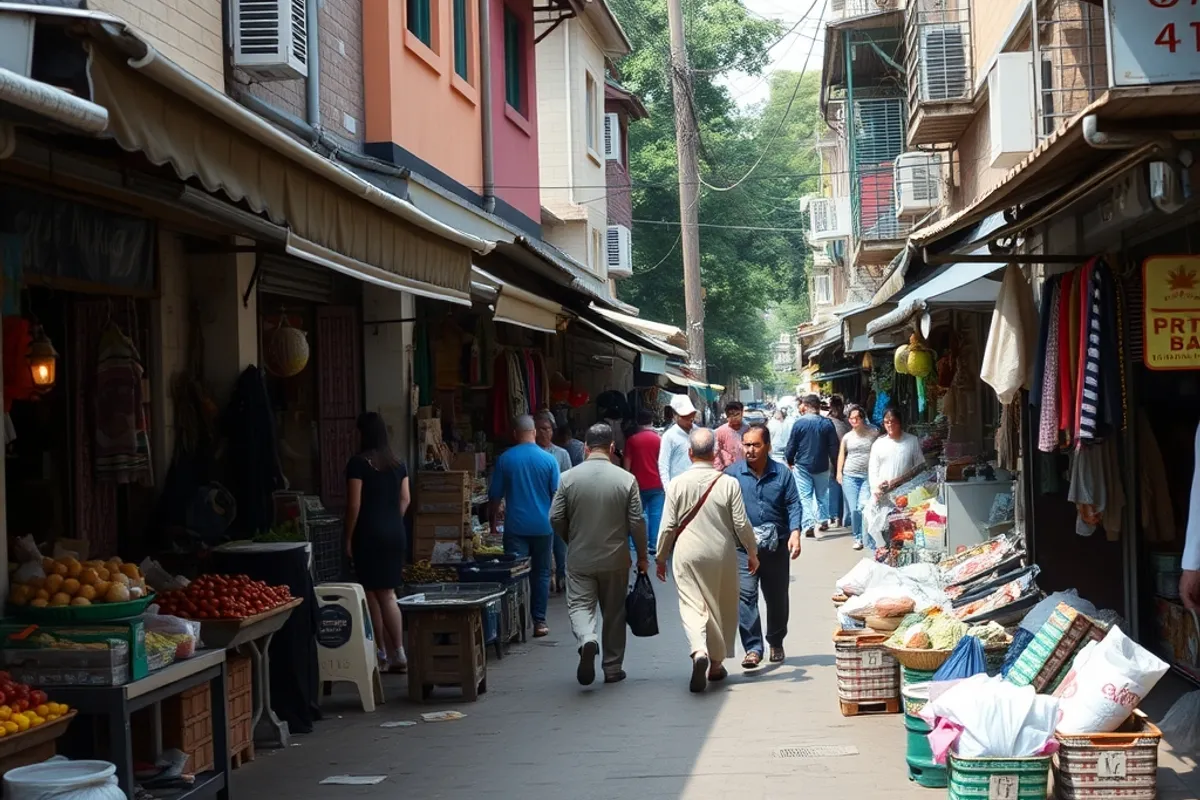
The cafe, the club, the library, the sports hall: places that are neither home nor work. For years they were declared dead, killed by delivery apps and remote work. In 2026 the evidence is mixed and more hopeful. Where rents allow, small third places are quietly recovering, especially among people who moved to a new city and need somewhere to belong.
The pattern is local, which is why national data misses it. A single cafe can anchor a neighbourhood while aggregate spending figures show nothing at all.

Households are reorganising around care
Family schedules increasingly bend around care: children, older relatives, and the growing number of people supporting both. The change is not new, but its scale is. It shows up in working hours, commuting decisions and the choice of where to live.
This is a quiet shift with loud consequences. When care shapes logistics, policies designed for a full-time worker with no caring duties stop fitting the way people actually live.
When attention is scarce, people choose fewer, deeper commitments - and institutions feel it before anyone names it.
Attention is the new scarce resource
Ask people what they lack and money is no longer the only answer. Time and attention come up constantly, often in the same sentence. The feeling of being busy is not a status symbol any more; for many it is a complaint.
The social effect is subtle. When attention is scarce, people choose fewer, deeper commitments. Organisations that depend on casual participation, from clubs to local politics, feel the change before anyone names it.

Trust is moving closer to home
Confidence in large institutions is low, but confidence in neighbours, local shops and frontline services is holding up better. People are not withdrawing from society; they are reallocating trust toward what they can see.
That has practical implications. Local initiatives often succeed where national campaigns fail, because proximity supplies the evidence that distant institutions cannot.
Work is less central than it was
Work still matters, but it is less often the answer to "who are you?" Surveys and interviews point to a slow rebalancing. People want work that fits a life rather than a life that fits work, and they are making trade-offs accordingly.
This does not mean ambition is gone. It means the currency has changed. Flexibility and time increasingly outrank a marginal increase in pay.
What to watch next
Watch the small infrastructure of daily life: opening hours, transport links, the survival of affordable meeting places. Those details decide whether the quiet shifts become a better society or a lonelier one.
Also watch how institutions adapt. The organisations that notice the care economy and the attention shortage early will earn trust. Those that keep designing for a world that has already changed will keep wondering why people disengage. For the work angle, read remote work and community in 2026.

Frequently asked questions
Why are these changes called quiet?
Because they happen through accumulated individual choices rather than a single event. They rarely produce headlines until they are already established.
Is community really recovering?
In some places, yes, especially where affordable spaces exist. The recovery is uneven and local, which is why national averages hide it.
How reliable are these observations?
They combine interviews, local reporting and long-term trend data. They are directional, not precise, and we revise them as better evidence appears.
Further reading from independent sources: Reuters and Associated Press.