Global Events in 2026: What Actually Shaped the Year

Every year produces a list of events that feel enormous while they are happening and fade within a month. The events that actually shape the following decade usually arrive quietly, through prices, policies and slow institutional shifts. Looking back at 2026, the pattern is familiar: the loud stories were rarely the load-bearing ones.
Key facts
- The events that mattered most were slow, structural and poorly televised.
- Economic pressure shaped politics more than any single election.
- Supply chains and energy prices transmitted distant events into daily life.
- Alliances shifted gradually, then appeared to change suddenly.
- The loudest stories were often the least consequential.
The year through prices, not headlines
For most households, the defining global story of 2026 was the cost of everyday things. Energy prices, shipping rates and food costs carried distant decisions into local shops. An event thousands of miles away became real when the weekly bill changed.
This is why price data often explains more than political commentary. It is a direct measure of how the world is reaching ordinary people, stripped of the framing that surrounds each headline.
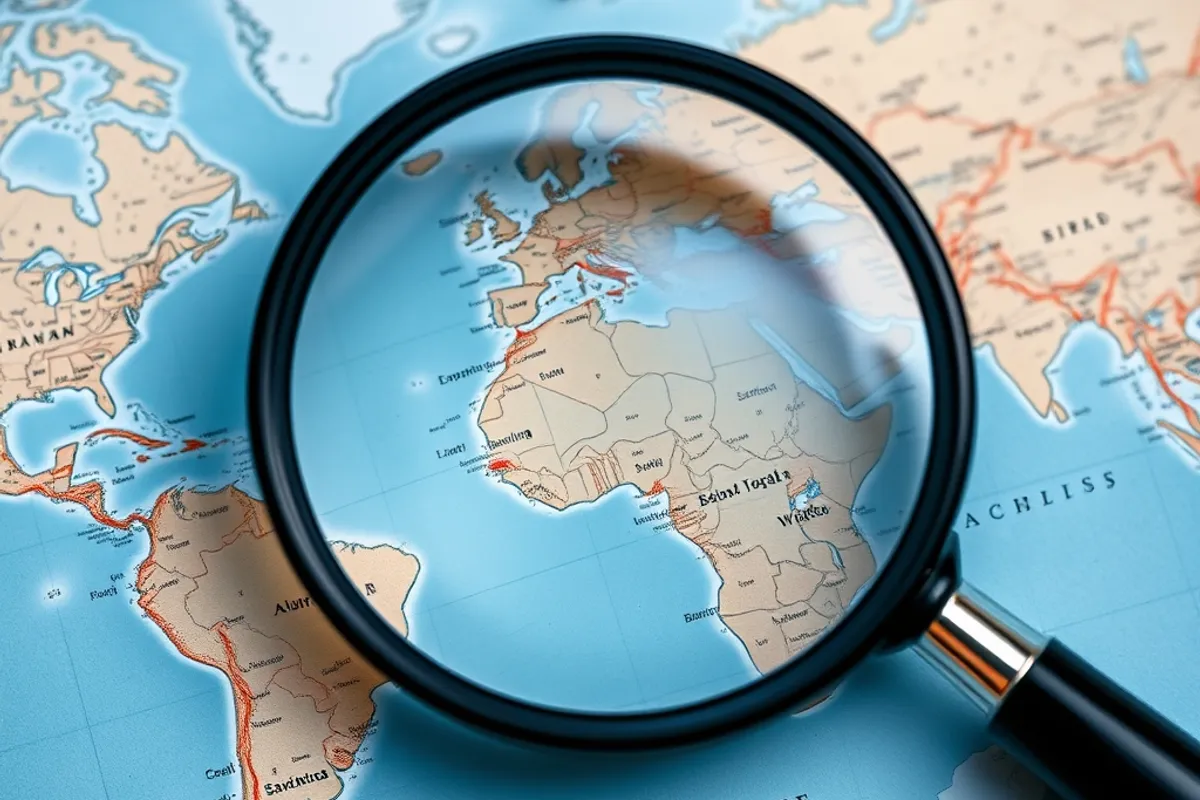
Alliances moved slowly, then all at once
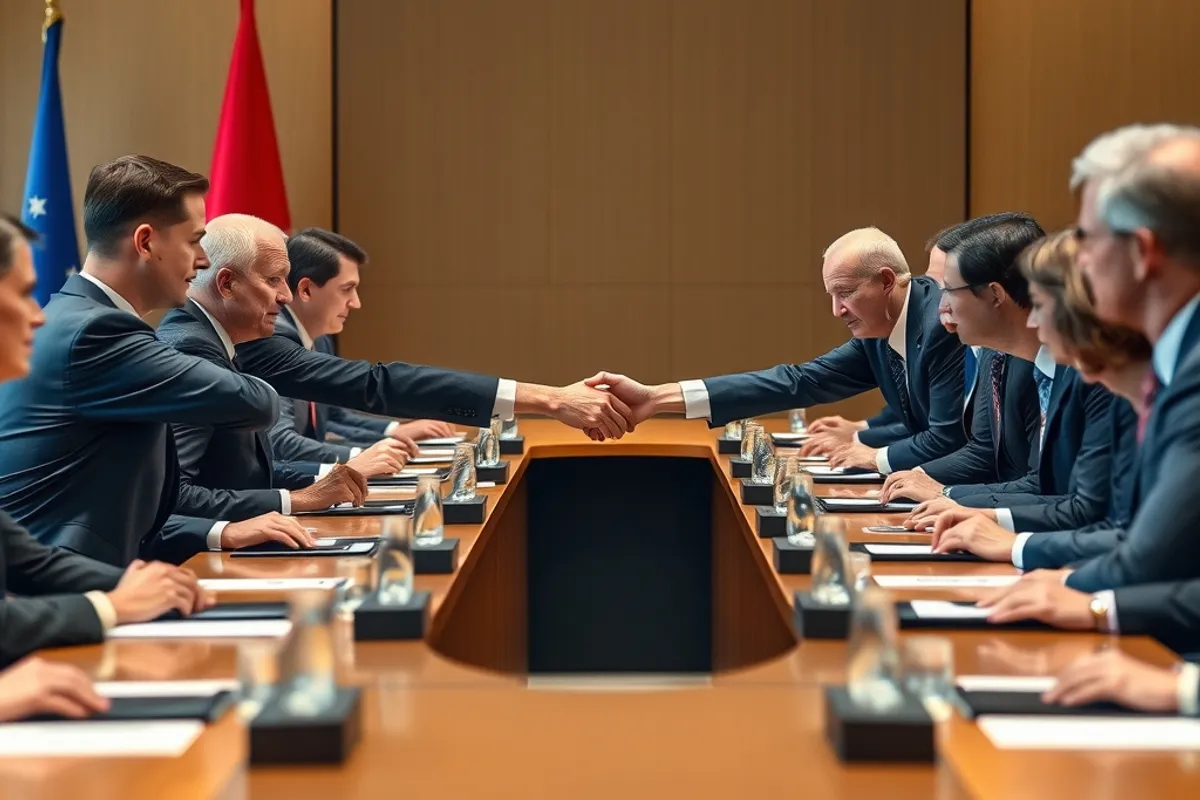
Diplomatic alignments rarely change on a single day. They shift through trade deals, defence commitments and the quiet choice of who gets access. For months the movement looks like noise; then a decision reveals that the balance has already changed.
The lesson for readers is to watch the boring documents. Trade terms and procurement decisions tell you more about the direction of an alliance than any summit photograph.
Attention and impact are different measures, and a year is better judged after its noise has faded.
Technology as a geopolitical force
Semiconductors, data rules and energy infrastructure became instruments of policy in 2026, not just commerce. Export controls and standards decisions acted like quiet borders, shaping where technology could go and who could build it.
The consequence is that technology policy now reads like foreign policy. Readers who skip the technical details miss one of the main ways power was exercised this year.

Climate and the year of the backlog
Extreme weather events created a pattern that is becoming structural: response capacity lagging behind the frequency of shocks. Insurance, infrastructure repair and disaster funding all faced backlogs that no single event explained.
The story here is cumulative, which is exactly the kind of story that gets underreported. Each event is covered; the accumulation is not.
The stories that did not change much
Several dramatic political moments that dominated coverage left surprisingly little behind. Loud rhetoric often produces no durable policy, and a news cycle is not the same as a consequence. Distinguishing the two requires waiting.
This is not cynicism about politics. It is a reminder that attention and impact are different measures, and that a year is better judged after its noise has faded.
What to watch in the next year
Watch the slow variables: energy supply, trade rules, technology standards and the capacity of public services to absorb shocks. These move quietly and decide more than any single dramatic event.
Also watch how institutions explain those slow changes. The gap between what is happening and what people understand is where political surprise comes from. For practical ways to follow it all, read how to follow global events without panic.

Frequently asked questions
How do you decide which events mattered?
By looking for durable change: new policies, shifted prices, altered alliances or lasting institutional effects. Events that produce no structural change are usually noise.
Why were slow stories underreported?
Slow changes lack a single dramatic moment, so they rarely fit a news cycle. They are also harder to explain briefly, which is the format most coverage uses.
Is this list of events complete?
No. This is an analytical review, not a chronology. It focuses on the forces that shaped the year's direction rather than every major development.
Further reading from independent sources: Reuters and Associated Press.