Why Public Trust in Institutions Is Falling in 2026
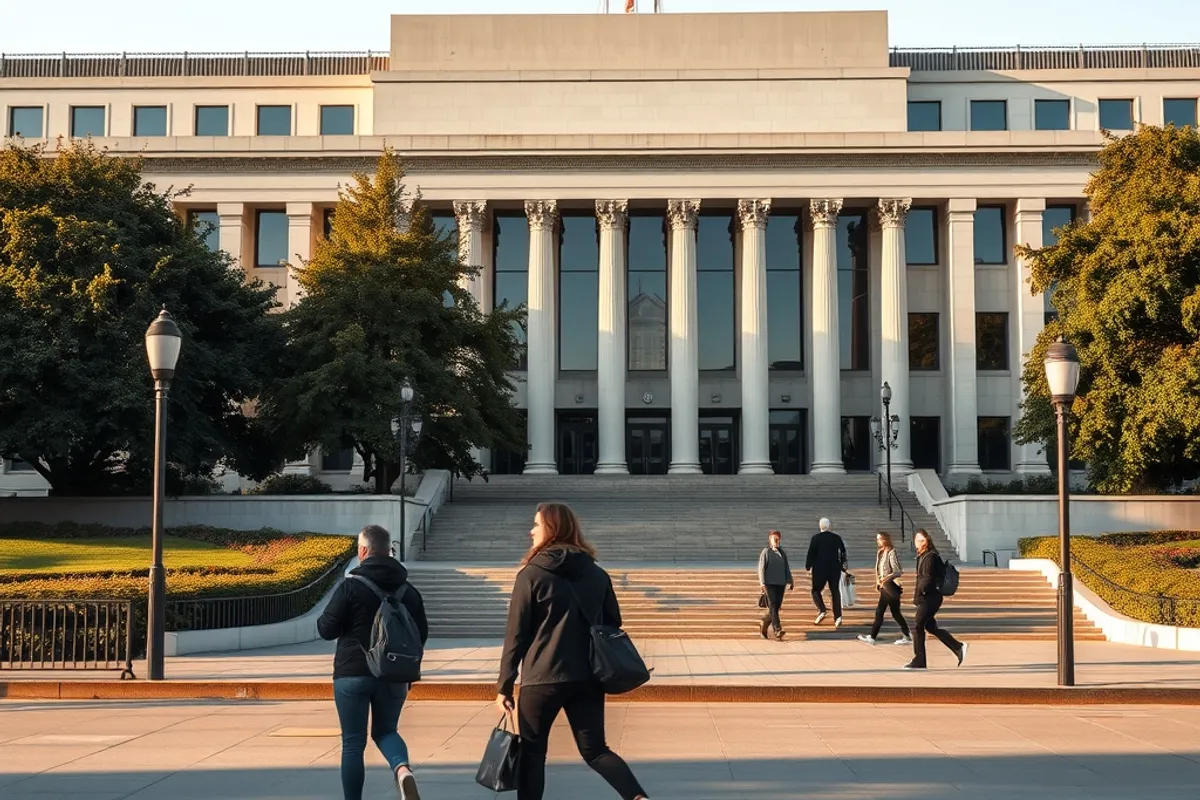
Ask people whether they trust public institutions and the answer in 2026 is usually a shrug, not a shout. That shrug is the story. Outright anger gets headlines, but the quieter collapse of confidence - the assumption that promises will slip and complaints will vanish - is what changes how people behave. They stop applying, stop reporting problems and stop believing that participation is worth the effort.
Key facts
- Trust falls fastest where people feel decisions are made without explanation.
- Local institutions usually retain far more confidence than national ones.
- Scandal and delay matter more than ideology in most trust surveys.
- Social media amplifies distrust but rarely creates it from nothing.
- Transparency and visible follow-through are the strongest repair tools.
What the trust data actually shows
Across repeated surveys, confidence in national government, large media and big business has drifted downward for years. The 2026 numbers are not a sudden cliff; they are the continuation of a slow erosion that began long before the current news cycle. What has changed is the shape of the decline: fewer people say they actively distrust institutions, and more say they simply do not expect much from them.
That distinction matters. Active distrust can be argued with. Indifference is harder, because it removes the audience that accountability depends on. When enough people tune out, bad decisions face less resistance and good ones earn less credit.

The role of social media in 2026
It is tempting to blame platforms entirely, and that is too easy. Social media did not invent dissatisfaction; it gave dissatisfaction a faster route to other people. A local failure that once stayed in one town can now become a national example before the facts are confirmed.
The effect is asymmetry. Stories about institutional failure travel further than stories about institutional competence, because failure is concrete and competence is boring. Over time the feed produces a portrait of public life built almost entirely from its worst moments.
Active distrust can be argued with. Indifference is harder, because it removes the audience that accountability depends on.
Institutions moving too slowly
Speed is now part of credibility. A body that takes eighteen months to answer a reasonable question has already lost the argument, even if its eventual answer is correct. People read delay as evasion, and often they are right to.
The institutions that hold trust best tend to share a habit: they explain the process while it is happening, including the parts that are uncertain. Publishing a timetable and then meeting it does more for confidence than any public campaign.

Why local trust survives
The national picture is grim; the local picture is better. Libraries, clinics, schools and neighbourhood services often keep decent reputations because people can see the work. Proximity creates evidence, and evidence is what trust is built from.
This is the most useful finding in the data. Confidence is not dead; it is concentrated where contact is direct. Any serious attempt to rebuild trust has to start at that level rather than with another national slogan.
What rebuilds confidence
Three things show up again and again. First, clear explanations of decisions, including trade-offs. Second, visible follow-through on small promises. Third, a working route to complain and get a real response. None of these require a new institution; they require existing ones to behave differently.
Correction matters too. Organizations that admit error quickly are trusted more than organizations that never appear to make one, because the second claim is not believable. The public is not looking for perfection. It is looking for honesty about imperfection.

What to watch next
Watch participation, not just sentiment. Trust is expressed in behaviour: whether people vote, apply, volunteer or report problems. Falling participation is a leading indicator that surveys sometimes miss.
Also watch how institutions respond to the next visible failure. A fast, specific, human explanation can interrupt the slide. A defensive silence accelerates it. The direction of trust in 2027 will be decided in those moments more than in any policy paper. For the media side of the same question, see our briefing on reading the news without burning out.

Frequently asked questions
Is falling trust really a new problem?
No. Survey confidence in large institutions has declined for decades. What is newer is the speed at which a single failure becomes a national example, and the rise of indifference rather than anger.
Do younger people trust institutions less?
Age gaps exist, but the bigger pattern cuts across generations: people trust what they can see and experience directly. Local services consistently outperform national bodies in every age group.
Can transparency backfire?
Only when it is performed rather than practiced. Publishing a plan and missing it damages trust more than publishing nothing. Credibility comes from explanation plus follow-through.
Further reading from independent sources: Reuters and Associated Press.