How News Digest Writers Separate Signal From Noise
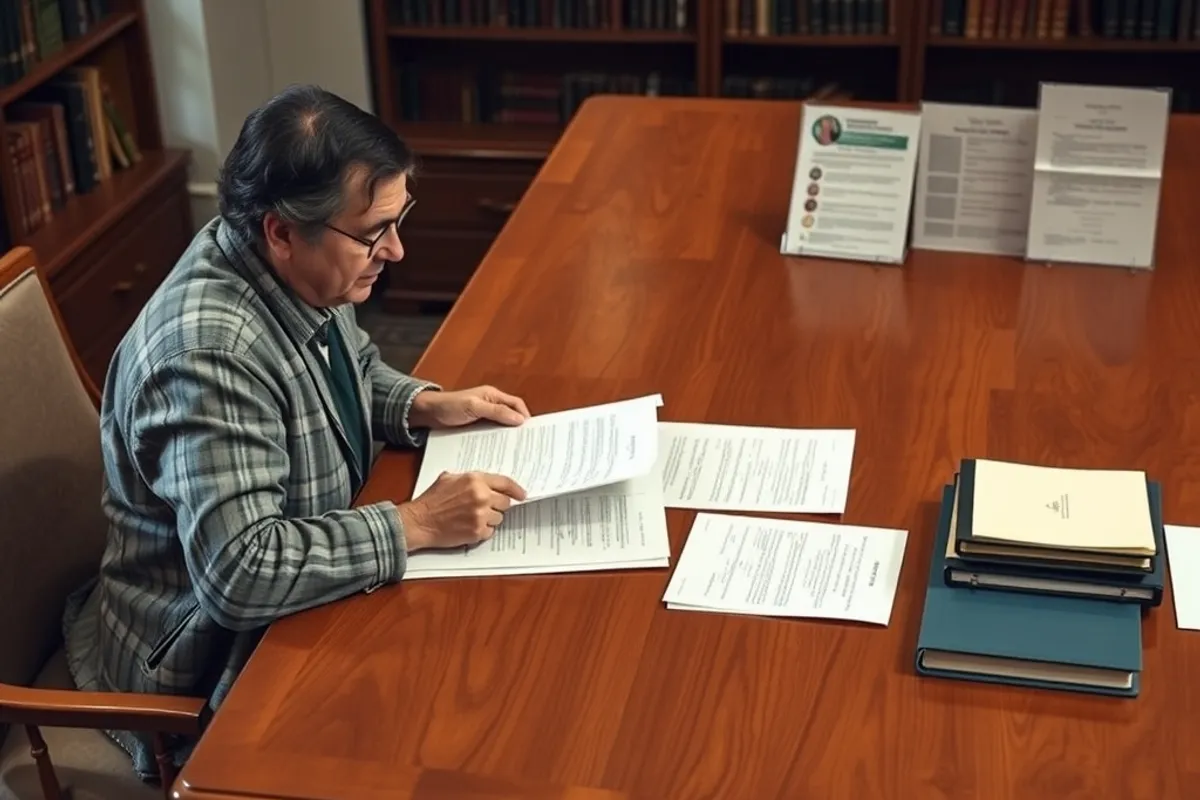
Every editor develops a feel for what matters, but feel is not a method. The best digest writers use explicit tests, applied consistently, so that selection is defensible and correctable. The craft is less mysterious than it looks: it is a set of questions asked in the same order every time.
Key facts
- Signal changes conditions; noise changes moods.
- Ask who is affected, how many and for how long.
- Duplication across sources is a warning, not confirmation.
- Primary documents beat summaries of summaries.
- A story that cannot be summarised clearly is not yet understood.
The consequence test
The first question is always about consequence. What changes if this story is true, and who feels that change? A policy that alters prices, a ruling that changes rights, a failure that changes safety: these pass. A dramatic exchange that changes nothing durable does not.
Applying this test first saves the most time. Most stories fail immediately, and the remaining candidates get the attention they deserve.
The scale test
Consequence is meaningless without scale. How many people are affected, and how deeply? A change for a small group can be huge if the effect is severe; a change for millions can be modest if the effect is thin.
Scale also guards against the trap of the vivid example. One dramatic case is not a trend, and a trend is what a digest is trying to describe.
Ten articles quoting the same original report are one source, not ten.
The duration test
Ask how long the effect will last. Weeks, months, years? News cycles reward the immediate; digests should reward the durable. A story that will be forgotten by Friday rarely belongs in a weekly summary.
Duration is also where predictions fail. Resist the urge to forecast. Report what has already changed and note what to watch, rather than guessing what will happen.
The source test
Primary documents beat secondary summaries every time. A law, a filing, a dataset or a transcript is more reliable than an article about that article. Digest writers read the underlying material wherever possible.
When only secondary sources exist, count them carefully. Ten articles quoting the same original report are one source, not ten. Duplication feels like confirmation and is usually just repetition.
The clarity test
If a story cannot be summarised in one clear paragraph, either it is not understood yet or it is not one story. Both are useful signals. The first says wait; the second says split it.
Clarity is not simplification. A clear summary preserves the important uncertainty. What it removes is confusion, not complexity.

Putting the tests together
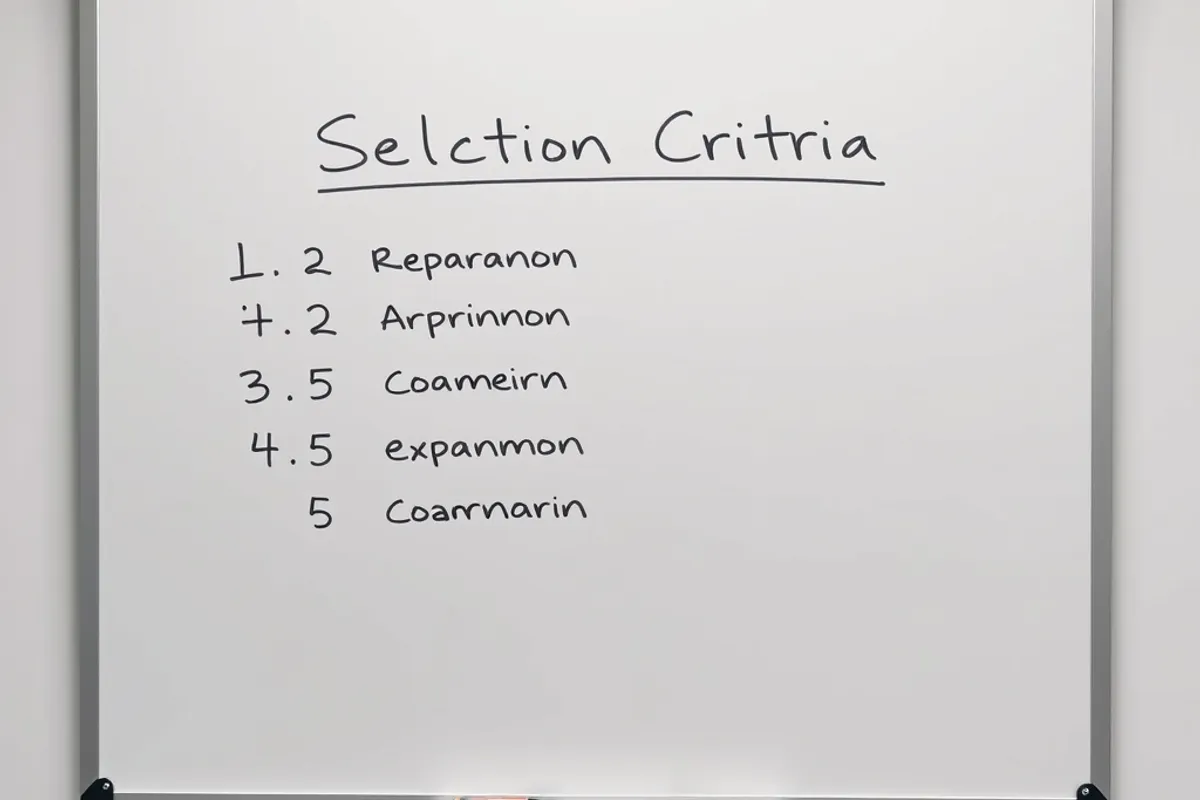
Run them in order: consequence, scale, duration, source, clarity. Most candidates drop out early, which is the point. What survives is a small set of stories that genuinely changed something and can be explained plainly.
The method is not perfect and does not need to be. It is consistent, transparent and correctable, which is what separates editorial judgement from a mood. For a working example, see this week's digest.
Frequently asked questions
Is this method objective?
No method is fully objective. What this method offers is consistency and transparency, so readers can see why a story was included or left out.
How do you handle breaking stories?
With caution. Breaking stories are usually held until the facts stabilise. A digest can note that something happened without pretending to know what it means.
Does speed ever win?
Rarely. A slightly slower digest with correct context is more useful than a fast one that has to be corrected the next day.
Further reading from independent sources: Reuters and Associated Press.