The Morning Briefing Habit That Actually Works in 2026

Most briefing routines fail for the same reason gym routines fail: they are designed for an ideal morning that never arrives. The reliable version is smaller, plainer and slightly boring. It takes about ten minutes, needs no app, and survives a week where everything else falls apart.
Key facts
- A briefing works when it is short enough to finish before the day starts.
- Same time, same place is more reliable than motivation.
- Three sections cover most needs: what changed, why, what to watch.
- Write one line of your own; recall improves sharply.
- Skip days without guilt and resume the next morning.
Start with the minimum viable briefing
A workable briefing has three parts. What changed since yesterday, why it changed, and one thing to watch next. That is enough to hold a conversation and enough to notice when a story is moving. Anything beyond that is optional reading later.
The three-part shape also prevents the main failure mode, which is wandering. Without a structure, a briefing becomes scrolling, and scrolling has no natural end.
Pick a time and defend it
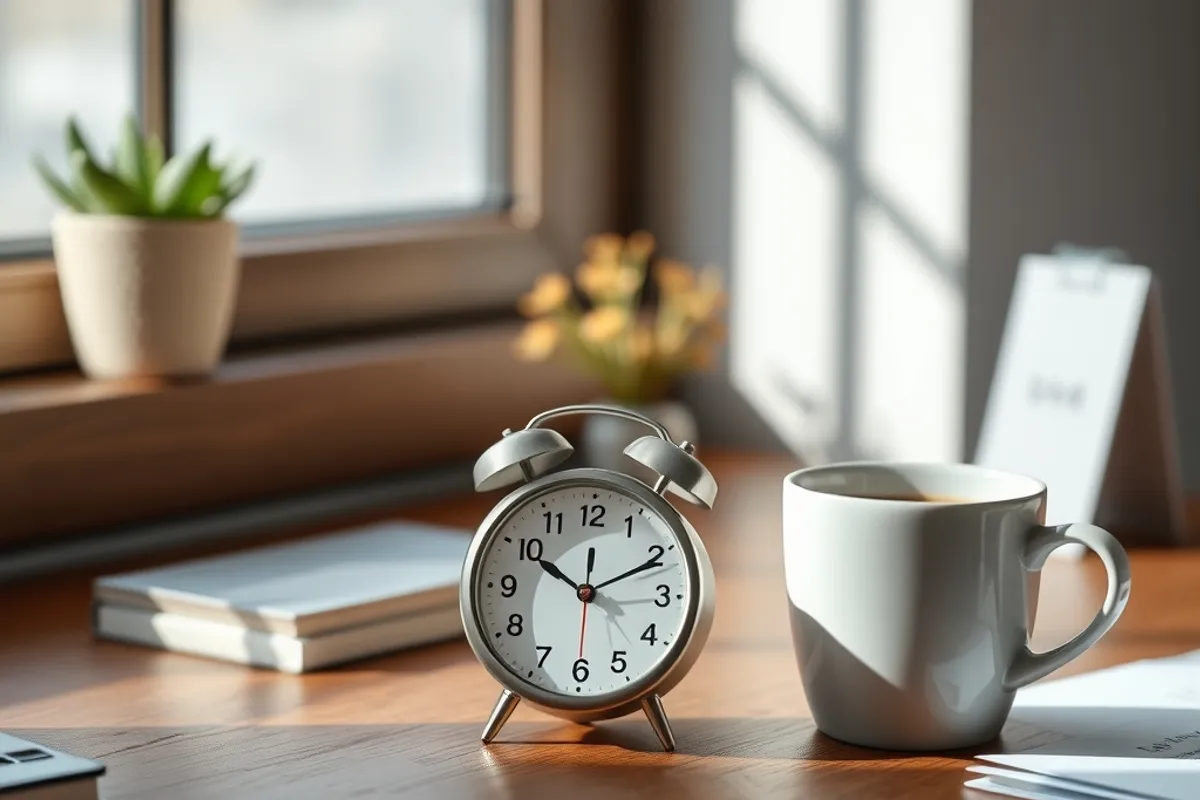
Attach the briefing to something that already happens every day: the first coffee, the commute, the moment after breakfast. Habits that piggyback on existing routines last far longer than habits that require a new slot in the calendar.
The exact time matters less than the consistency. A briefing at seven that happens daily beats a perfect one at five that happens twice a week.
A briefing is infrastructure, not entertainment. Its job is to be there tomorrow.
Read summaries before articles
Begin with summaries and only open the full article when a summary raises a real question. This reverses the usual order, where people start with whatever is most dramatic and read outward from there.
Summary first also makes it easier to notice repetition. When three summaries say the same thing, you know the development is settled and can stop. When they disagree, that disagreement is the story worth following.
Write one sentence yourself
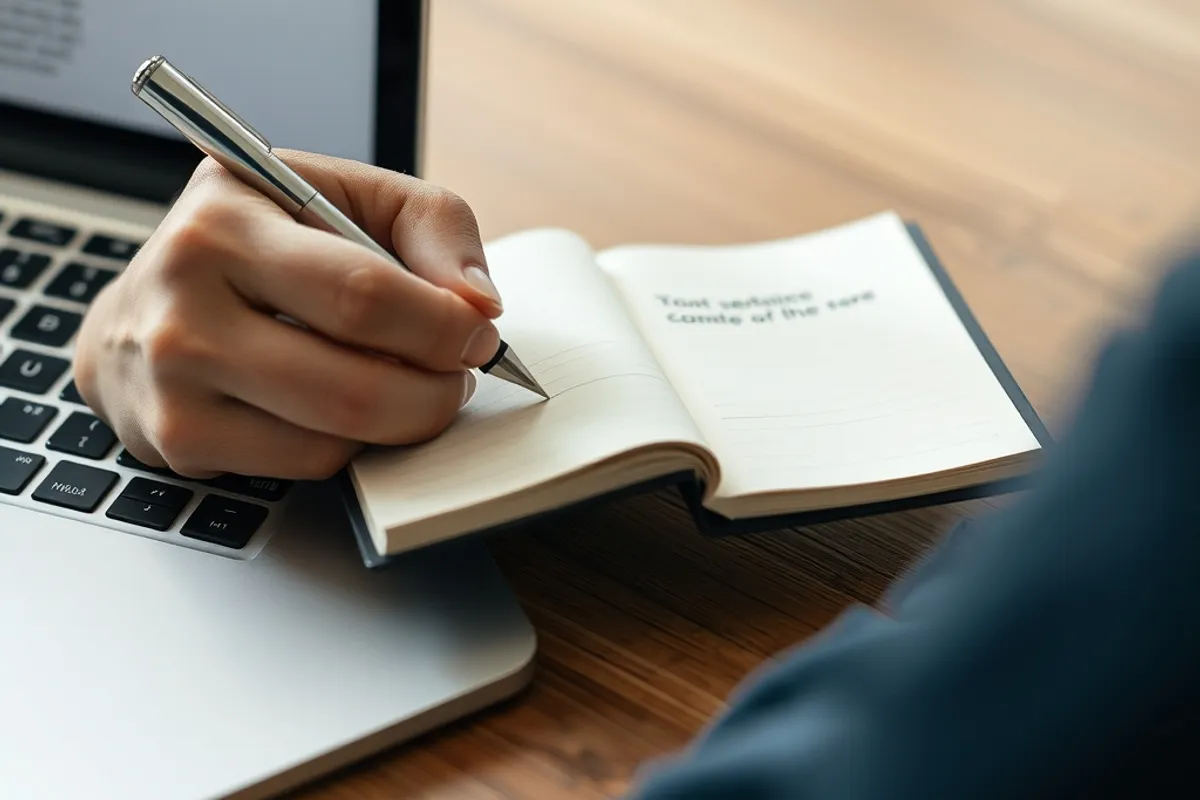
Before closing the briefing, write a single line in your own words about the most important item. This takes seconds and changes how much you retain. The act of summarising forces comprehension in a way that reading cannot.
Over a month, those lines become a record of what actually happened, free of the noise that surrounded each day.
Keep it boring on purpose
The temptation is to add newsletters, alerts and dashboards until the routine collapses under its own weight. Resist that. A briefing is infrastructure, not entertainment. Its job is to be there tomorrow.
Boring also means forgiving. Missing a day is fine. The habit is not the streak; it is the return. Resume the next morning and the routine survives.

A sample ten-minute briefing
Minute one to three: scan the headlines from one trusted source. Minutes three to seven: read a single summary of the biggest development and note why it matters. Minutes seven to nine: check the one topic you personally track. Minute ten: write your one line and close the laptop.
That is the whole routine. It will not make you an expert on everything, and it is not supposed to. It will keep you oriented, which is what a briefing is for. For the wider reading habit, see how to read the news without burning out.

Frequently asked questions
How long should a morning briefing take?
Ten to fifteen minutes is enough for most people. Longer routines are harder to keep and usually add detail you will not use that day.
Do I need a special app?
No. A single trusted source and a notes file work fine. Tools help only after the habit already exists.
What if I miss a day?
Nothing happens. Skip it and resume the next morning. Consistency over weeks matters far more than an unbroken streak.
Further reading from independent sources: Reuters and Associated Press.